
Accessible Bathroom Remodel Austin 2026: Layout & Safety That Still Looks Beautiful
If you’re planning a bathroom remodel in Austin for 2026, one of the smartest decisions you can make is designing around comfort and accessibility from day one. Accessibility doesn’t mean “clinical” or “institutional”—it means a bathroom that’s easier to move through, safer on wet mornings, and more comfortable for every stage of life.
At Austin Painting & Cabinets, we help homeowners plan bathroom remodeling projects that balance style and real-world usability—because the best remodel is one you still love (and still functions) years from now.
In our recent Google update about planning bathrooms for 2026, we emphasized why accessibility and day-to-day function deserve a bigger role in the design process ( here’s that quick overview). This blog expands on that idea with practical, homeowner-friendly guidance you can actually use when making decisions.
What “Accessibility” Really Means in a 2026 Bathroom Remodel
An accessible bathroom is simply one that reduces friction in daily routines: stepping in and out of the shower, reaching storage, moving around a vanity, and navigating the space safely when it’s wet. Many homeowners choose accessibility upgrades for a specific reason (kids, aging parents, injury recovery), but most of these improvements benefit everyone.
- Safety: Better traction, fewer trip hazards, stronger support options.
- Comfort: More elbow room, better lighting, easier-to-use fixtures.
- Longevity: A bathroom that continues to work well as your needs change.
- Resale appeal: Buyers increasingly value walk-in showers and practical layouts.
Whether you live in Bee Cave, Manor, Jonestown, or West Lake Hills, these are the same design choices that help a remodel feel “high-end” and highly usable.
1) Start With Clear Walking Space (Before You Pick Tile)
One of the most common planning mistakes we see is choosing finishes first and trying to “make them work” inside a layout that’s already tight. Instead, start with the movement path through the room:
- Door swings: Make sure the door doesn’t collide with vanities, toilets, or glass.
- Clearances: Leave comfortable room in front of the vanity and shower entry.
- Daily traffic: Consider how two people move through the space at the same time.
In many primary bathrooms, a few inches can make the difference between a space that feels cramped and one that feels calm. If you want a deeper dive into avoiding planning pitfalls, our post Austin Bathroom Remodeling: Walk-In Showers and Frameless Glass is a helpful companion when you’re thinking through shower footprints and glass layouts.
2) Choose a Shower That’s Easy to Use Every Day
Walk-in showers are one of the most requested features in 2026 bathroom remodels, and for good reason: they’re modern, cleaner-looking, and easier to enter than a traditional tub/shower combo. The key is designing the shower so it’s functional—not just pretty.
Accessibility-minded shower upgrades that still look premium:
- Low-threshold entry: Reduces the “trip step” while keeping water controlled.
- Proper drainage planning: Prevents puddling and reduces slip risk.
- Built-in niche placement: Storage where you actually reach it (without bending awkwardly).
- Bench or ledge options: Adds comfort and flexibility without cluttering the floor.
- Handheld shower head: Practical for kids, pets, cleaning, and mobility needs.
Even if you don’t “need” accessibility features today, these shower choices usually make the bathroom feel more luxurious and easier to live with.
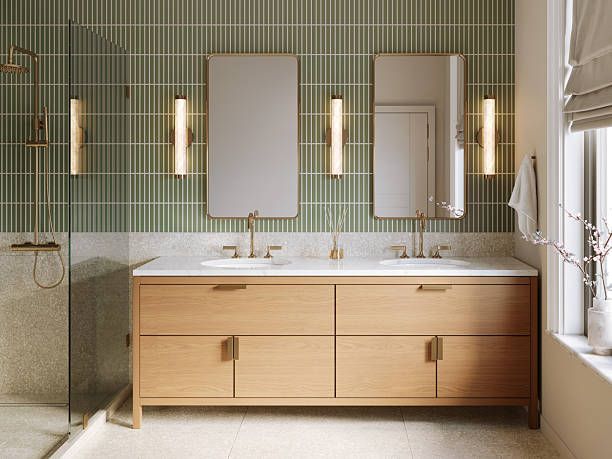
3) Don’t Underestimate Vanity Height, Storage, and Lighting
Vanities are often selected for style first—but vanity comfort is one of the biggest “everyday” factors in a bathroom. In a powder bath, you might prioritize a clean look and minimal footprint. In a guest bath, you need storage without crowding. In a primary bath, you want daily routines to feel effortless.
What we recommend homeowners consider:
- Counter height: Comfortable for the people who use the bathroom most.
- Drawer-heavy storage: Easier access than deep base cabinets.
- Lighting at the mirror: Reduces harsh shadows (especially helpful for makeup/shaving).
- Outlet placement: Practical for hair tools without cords draping across the sink.
Accessibility isn’t only about wide-open rooms—it’s also about choosing storage and lighting that reduce strain and improve daily flow.
4) Prioritize Flooring That’s Safer When Wet
Bathroom floors get wet. That’s reality. A 2026 bathroom remodel is a great opportunity to choose flooring and transitions that improve traction and reduce slips.
- Slip-resistant tile options: Many modern tiles offer better grip without looking “rough.”
- Smarter transitions: Reduce tripping hazards between bathroom and adjacent rooms.
- Thoughtful rug zones: Leave room where rugs make sense without blocking walk paths.
If your remodel includes a curbless or low-threshold shower, flooring and slope planning become even more important. That’s one reason we encourage homeowners to make layout and function decisions early, before finalizing finishes.
5) Plan Ventilation Like It’s Part of the Design (Because It Is)
Poor ventilation leads to lingering moisture, foggy mirrors, and long-term wear. It also affects comfort—especially in a primary bathroom that sees daily use.
What “good” ventilation planning looks like:
- Right-sized exhaust fan: Not just “a fan,” but one that actually clears moisture.
- Placement that makes sense: Better results than a fan that’s in the wrong spot.
- Humidity-sensing options: Helps the bathroom stay drier with less effort.
It’s not the most glamorous decision, but it’s one of the easiest ways to protect your remodel investment.
6) Match the Remodel Scope to the Bathroom Type
Accessibility planning looks a little different depending on the bathroom you’re remodeling:
- Powder bathroom remodel: Focus on clear movement, smart lighting, and practical storage.
- Guest or hall bathroom remodel: Prioritize durable finishes, safe flooring, and a shower/tub setup that’s easy for visitors.
- Primary bathroom remodel: This is where layout, shower usability, and daily routine comfort matter most.
If you’re comparing project scope and timing across different rooms, our article 2026 Kitchen Remodel Timeline in Austin can be useful for understanding how planning phases and on-site work can differ between kitchens and bathrooms.
How We Guide Homeowners Through an Accessibility-First Bathroom Remodel
The best accessibility outcomes come from a process that puts clarity first—so you’re not making big decisions under pressure. Our typical workflow is:
- In-home consultation and clear proposal: We walk the space, talk goals and budget, then provide a written scope so expectations are clear.
- Showroom appointment: If you want to move forward, we meet in the showroom to review options together (vanities, countertops, tile, fixtures, finishes).
- Selections finalized and deposit made: Once decisions are locked in, we order materials and schedule the project so work stays organized.
This process helps homeowners avoid the most common regrets: choosing a shower that’s too tight, under-planning storage, or selecting finishes that don’t hold up to real life.
Ready to Plan a Bathroom Remodel That Works Long-Term?
If you’re planning a 2026 bathroom remodel, accessibility-minded choices can help your bathroom feel safer, more comfortable, and more “livable” every day—without sacrificing the clean, modern look you want.
Schedule your in-home bathroom remodeling consultation and we’ll help you design a bathroom that fits your home, your lifestyle, and the way you want to live in it for years to come.
Thanks for reading! Please like and share.
Other Blog Posts